Information about the Dominican Republic And traditions
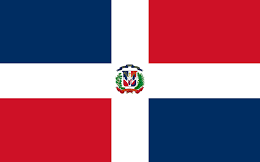
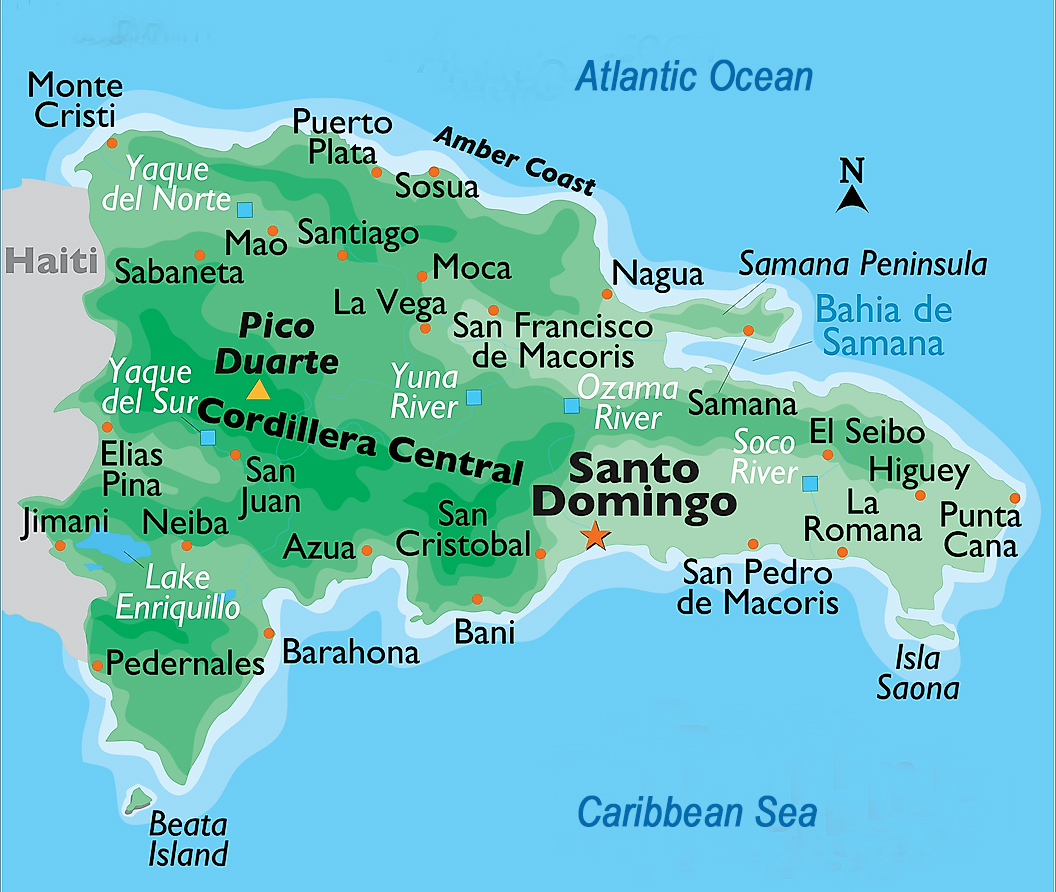
Yes, the Dominican Republic is a country that is on an island called Hispaniola, which it shares with Haiti. The Dominican Republic occupies the eastern five-eighths of the island, while Haiti is in the western third
- The Dominican Republic is located in the Caribbean Sea, in the Greater Antilles archipelago.
- Hispaniola is the second-largest island in the Caribbean, and the Dominican Republic is the second-largest country in the Caribbean by area.
Traditions
Dominican Republic Cultural Calendar In Focus | Outlook ...Dominican traditions include vibrant festivals like Carnival and Restoration Day, strong family ties often expressed through large gatherings and respect for elders, and a rich cultural blend of music, dance, and cuisine. The national sport is baseball, and merengue and bachata music are central to social life and celebrations.
Festivals and celebrations
- Carnival: Celebrated in February and March, this is a major event with parades, music, dancing, and elaborate costumes, including the iconic "Diablo Cojuelo" figures in some regions.
- Restoration Day: An annual patriotic holiday on August 16th that commemorates the restoration of Dominican independence.
- Independence Day: Celebrated on February 27th, a major national holiday with festivities throughout the country.
- Semana Santa (Holy Week): A religious period involving family gatherings, travel to the beach, and religious services.
- Altagracia Day: Celebrated on January 21st, this day honors the Virgin of Altagracia with pilgrimages and religious services
Cultural Practice
- Music and dance: Merengue and bachata are the dominant musical genres, played at social gatherings and festivals, with dancing being an integral part of the culture.
- Family and community: Family is central to Dominican culture, with large gatherings of multi-generational families being common. There is a strong emphasis on hospitality and respecting elders.
- Sport: Baseball is the national sport and is widely followed and played.
- Cuisine: Dominican food reflects a blend of African, European, and Taíno influences. Popular dishes include Mangu (mashed plantains) and Sancocho (a hearty meat and vegetable stew).
- Greetings: Greetings often involve a handshake, a pat on the back, or a kiss on the cheek among friends and family. Formal titles are used in formal settings.
Dominican Food
Dominican food includes staples like moro de habichuelas (rice and beans) and "la bandera dominicana" (the national dish of rice, beans, and stewed meat). Other popular dishes are the hearty stew sancocho, mashed plantains called mangu, and pica pollo (fried chicken). Sweets such as habichuelas con dulce (sweet cream of beans) are also popular.
- La Bandera Dominicana: The national dish, consisting of white rice, red beans, and stewed meat.
- Sancocho: A rich and thick stew made with a variety of meats (like beef, chicken, and goat) and root vegetables.
- Mangu: A staple breakfast dish of boiled and mashed green plantains, often served with fried eggs, cheese, and fried Dominican sausage (salami).
- Mofongo: A dish of mashed fried green plantains with garlic and pork cracklings or seafood, typically served with a stewed meat or topped with an egg.
- Pica Pollo: Dominican-style fried chicken, marinated in lemon juice, and usually served with fried plantains
- Moro de Habichuelas: A flavorful dish of rice cooked with red beans.
Climate
The Dominican Republic has a tropical climate with hot, consistent temperatures year-round, ranging from \(18^{\circ }C\) to \(35^{\circ }C\) (\(64^{\circ }F\) to \(95^{\circ }F\)) depending on the region and season. It has two main seasons: a dry season from January to May, and a wet season from June to December, which also includes the risk of hurricanes. The northern mountains receive significantly more rainfall than the drier western and southwestern valleys.
Dominjcan history
The history of the Dominican Republic begins with the indigenous Taino people, who inhabited the island they called Hispaniola. Christopher Columbus arrived in 1492, claiming the island for Spain and establishing the first permanent European settlement in the Americas at Santo Domingo, which was followed by the decimation of the Taino population through disease and enslavement. The island was later divided, with Spain controlling the eastern part (present-day Dominican Republic) and France controlling the west (Haiti). The Dominican Republic declared independence from Spain in 1844, but its history since then includes periods of Spanish rule, US occupation, and the long, brutal dictatorship of Rafael Trujillo, with a modern era of democratic rule and economic growth beginning in the late 20th century
Independence and instability (1844–1924)
- First independence: In 1844, the Dominican Republic declared independence from Haiti, with Juan Pablo Duarte, Francisco del Rosario Sánchez, and Ramón Matías Mella considered the founding fathers.
- Spanish annexation: The following decades were marked by political instability. In 1861, President Pedro Santana returned the country to Spanish rule to combat a weak economy, but a revolt led to Spain's withdrawal in 1865 and the proclamation of the Second Dominican Republic
- US occupation: Due to mounting debt, the U.S. took control of the Dominican Republic's customs in 1905 and occupied the country with military forces from 1916 to 1924. The U.S. occupation left behind a modern military that paved the way for Trujillo's rise to power.