This means its beautiful to be german
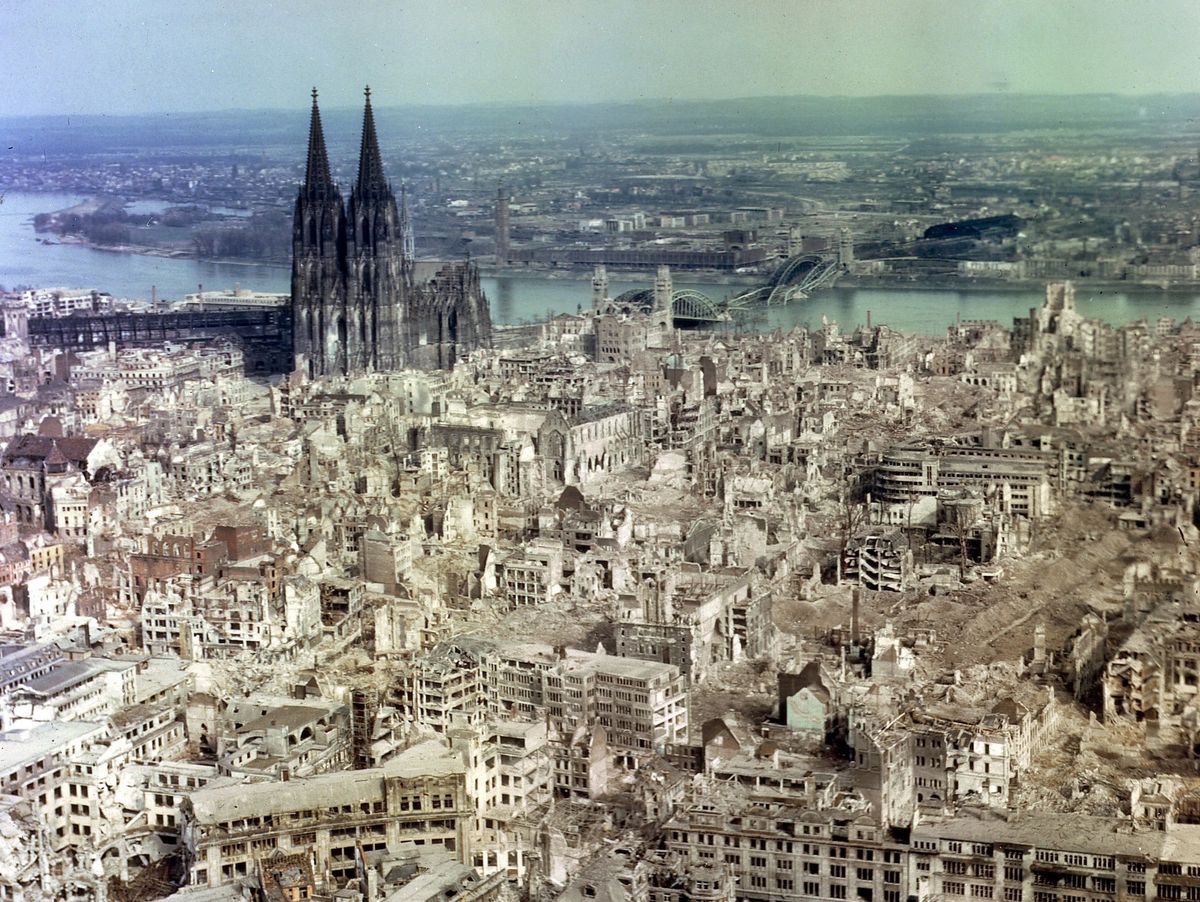
Germany's backstory involves a long history of fragmented states that eventually unified into a modern nation-state in the 19th century under Prussian leadership. It evolved from the Holy Roman Empire into a confederation of states after Napoleon's defeat, which was then replaced by the German Empire in 1871. This unification was followed by periods of intense conflict, including two world wars and the division of the country into East and West Germany during the Cold War, before reunification in 1990.
Germany's pros include a strong economy with good job prospects, a high quality of life with excellent public transportation and healthcare, and a safe environment with many cultural activities. The main cons are a significant language barrier, slow and complex bureaucracy, high taxes, and a chilly climate that can be a challenge for some.
In a good way, "Germany" can mean "the people's land" when referring to Deutschland, its native name, which comes from the Old High German word diutisc, meaning "of the people". While "Germany" is what the Romans called the area, its native name reflects a sense of unity and belonging.
Wo der Geist ohne angst ist, Und wo der Kopf hochgehalten wird, Wo das Wissen frei ist, Wo die Welt nicht in Stuecke durch enge hausliche Wande zerbrochen ward, Wo der klare strom des Verstandas Nicht in der trostlosen Wuste toter wo der Geist von Dir nach vorne geleitet wird In sich endlos erweiternde Gedanken und Handulungen In dem Himmel der Freiheit, mein Vater dort lass mein land erwachen.
Where the mind is without fear, And where the head is held high, Where knowledge is free, Where the world has not been broken to pieces by narrow domestic walls, Where the clear stream of understanding flows Not in the desolate wasteland of dead where the mind is guided forward by You Into endlessly expanding thoughts and actions In the heaven of freedom, my Father there let my land awaken.
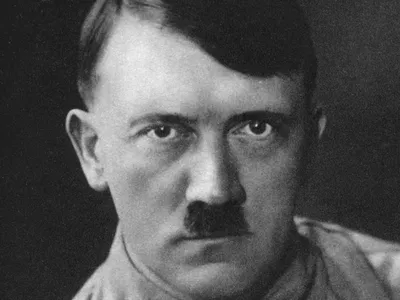
Adolf Hitler was an Austrian-born German politician who was the dictator of Germany during the Nazi period from 1933 until his suicide in 1945. He rose to power as the leader of the Nazi Party, becoming the chancellor in 1933 and then taking the title of Führer und Reichskanzler in 1934.
Adolf Hitler is one of the most reviled figures in history due to his role in orchestrating the Holocaust and initiating World War II, which caused immense suffering and led to the deaths of tens of millions of people. His actions were driven by a hateful, racist, and expansionist ideology known as Nazism. The Holocaust was the state-sponsored, systematic persecution and murder of six million European Jews between 1933 and 1945. It was a core tenet of Hitler's ideology, which preached the racial superiority of the "Aryan" race and falsely accused Jews of causing Germany's problems.
Hitler's dealings with Hugenberg and the industrialists exemplify his skill in using those who sought to use him. But his most important achievement was the establishment of a truly national party (with its voters and followers drawn from different classes and religious groups), unique in Germany at the time.
By Jaliyah Jacquecine